
INTERNATIONAL INVESTMENT
AND PORTAL
Targeting the wood manufacturing industry, the campaign focuses on meeting rising demand for lower-carbon and more efficient production. Built around three pillars – 'Taking the Lead, Exploring New Options, and Sharing Responsibility' – it outlines how AkzoNobel Wood Finishes is working to reduce its environmental footprint while supporting partners in achieving their own sustainability goals
The first pillar of the campaign, 'Taking the Lead', focuses on reducing AkzoNobel’s direct environmental impact and embedding sustainability across its operations. Under this pillar, the company aims to cut carbon emissions by half across its value chain by 2030, compared with 2018 levels, setting a higher standard for sustainable manufacturing in the coatings industry.
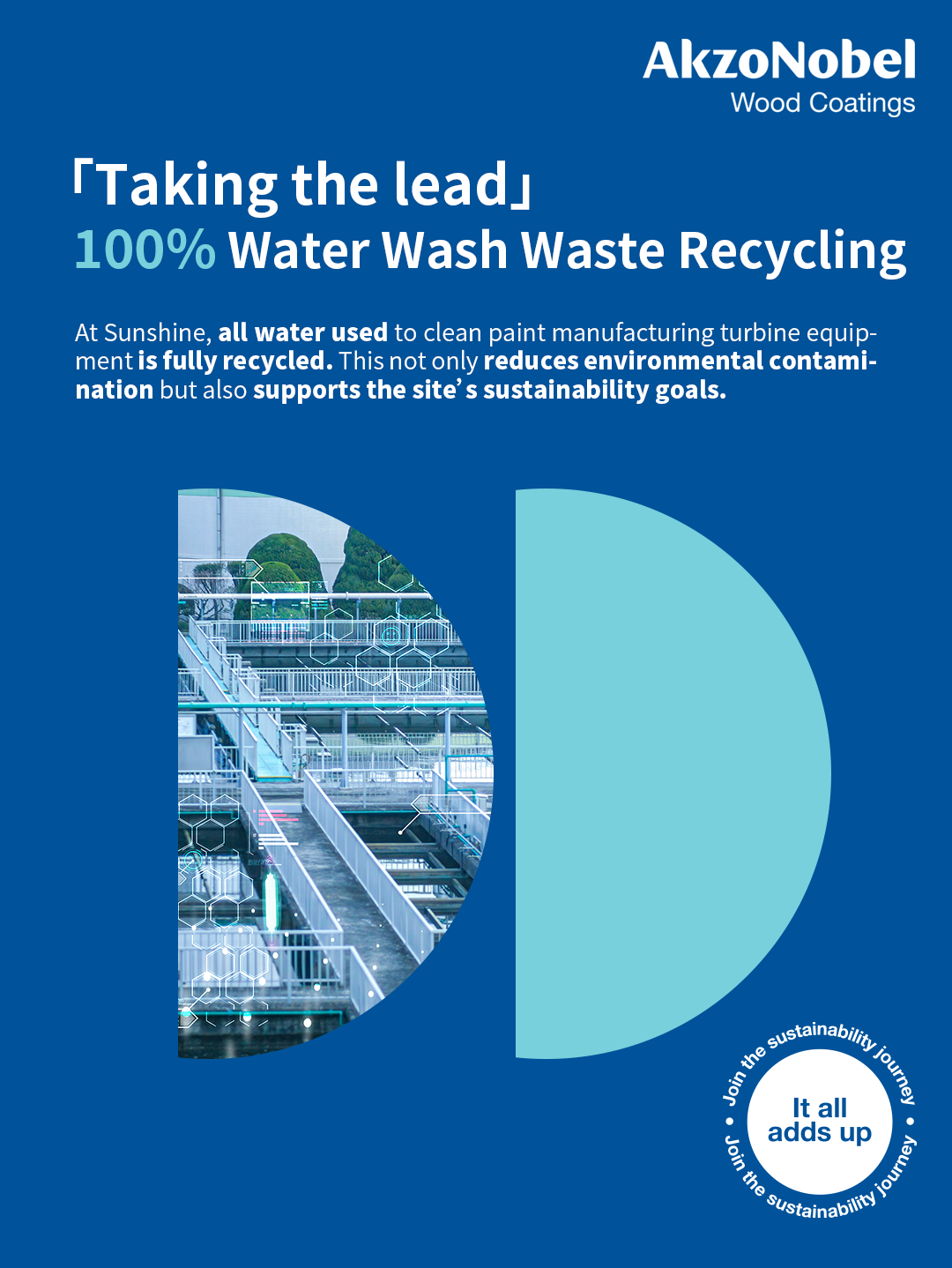
For instance, the Sunshine facility in Australia has implemented a 'Water Wash Waste Recovery' system to recover usable materials, minimise product loss, and eliminate landfill disposal.
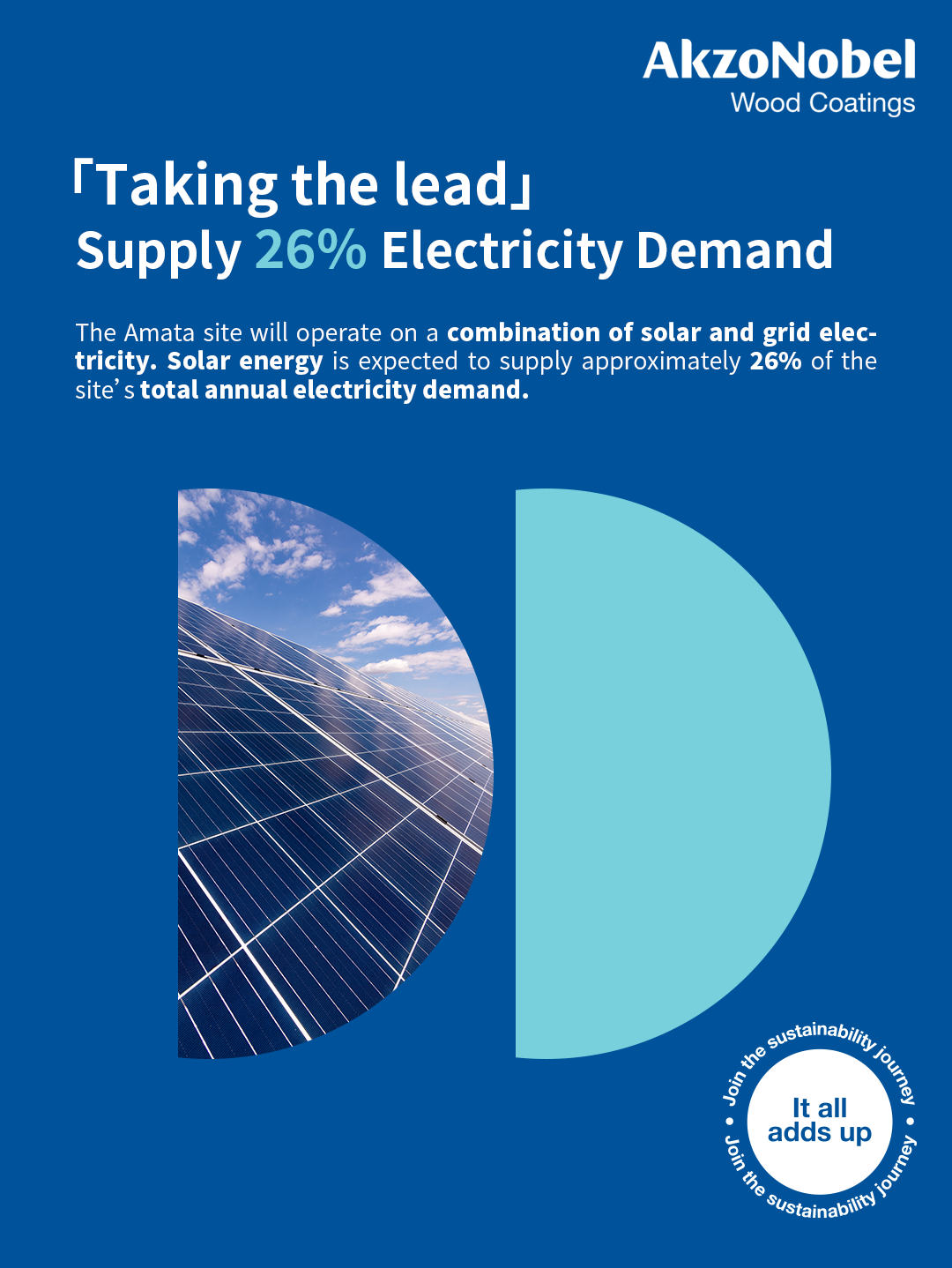
At Amata Vietnam, solar energy now supplies 26 per cent of annual electricity demand, while recycling initiatives have cut waste disposal by 39 per cent between 2021 and 2024. These efforts highlight AkzoNobel’s ability to align global carbon goals with real-world improvements, setting an example for sustainable manufacturing in the region.
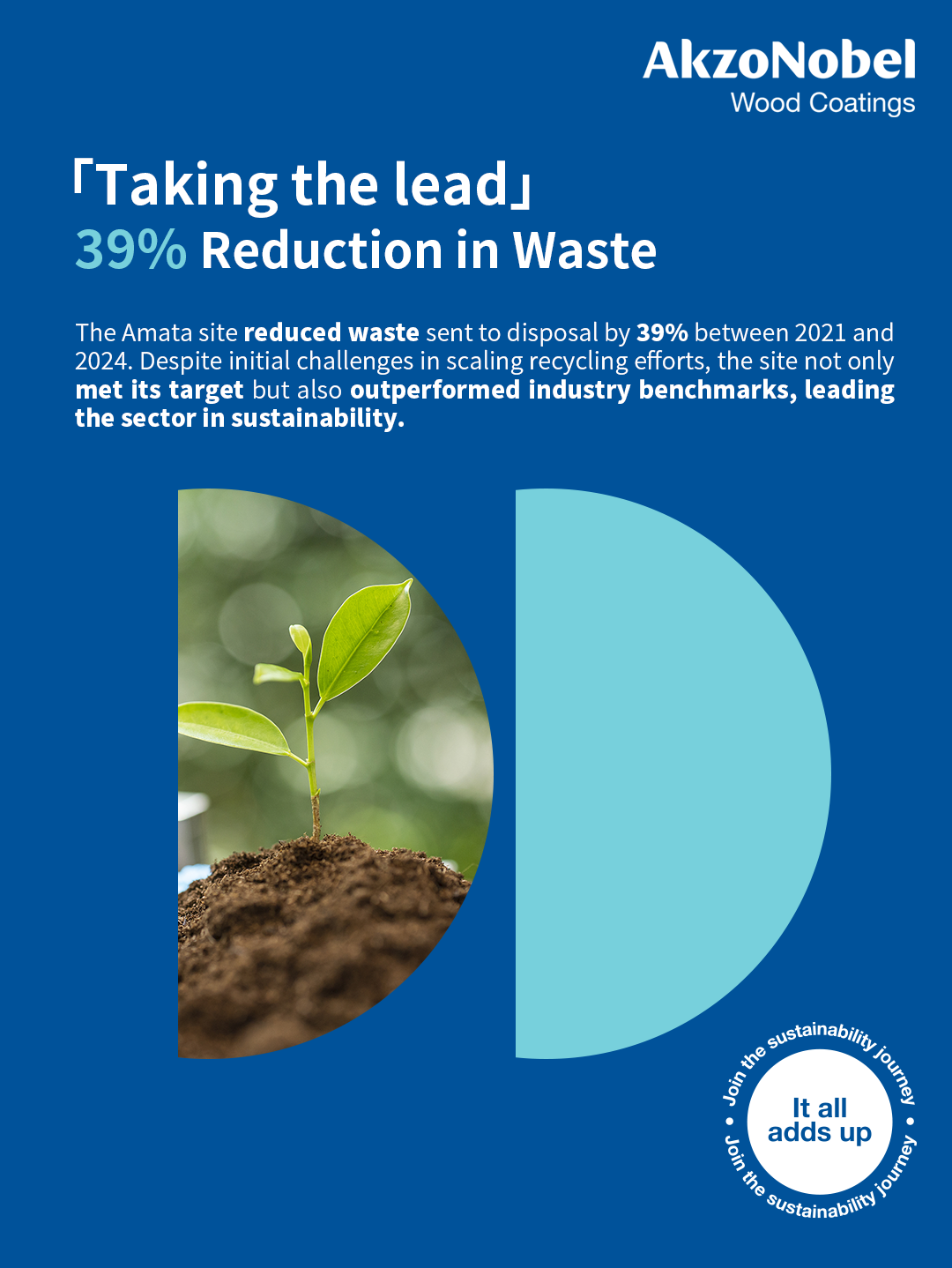
Representing the second pillar of the campaign, 'Exploring New Options' reflects AkzoNobel Wood Finishes’s commitment to innovation as a key driver of sustainable progress. By continuously developing advanced coating solutions, the company helps customers to reduce waste, lower energy consumption, and save costs without compromising on performance or quality.
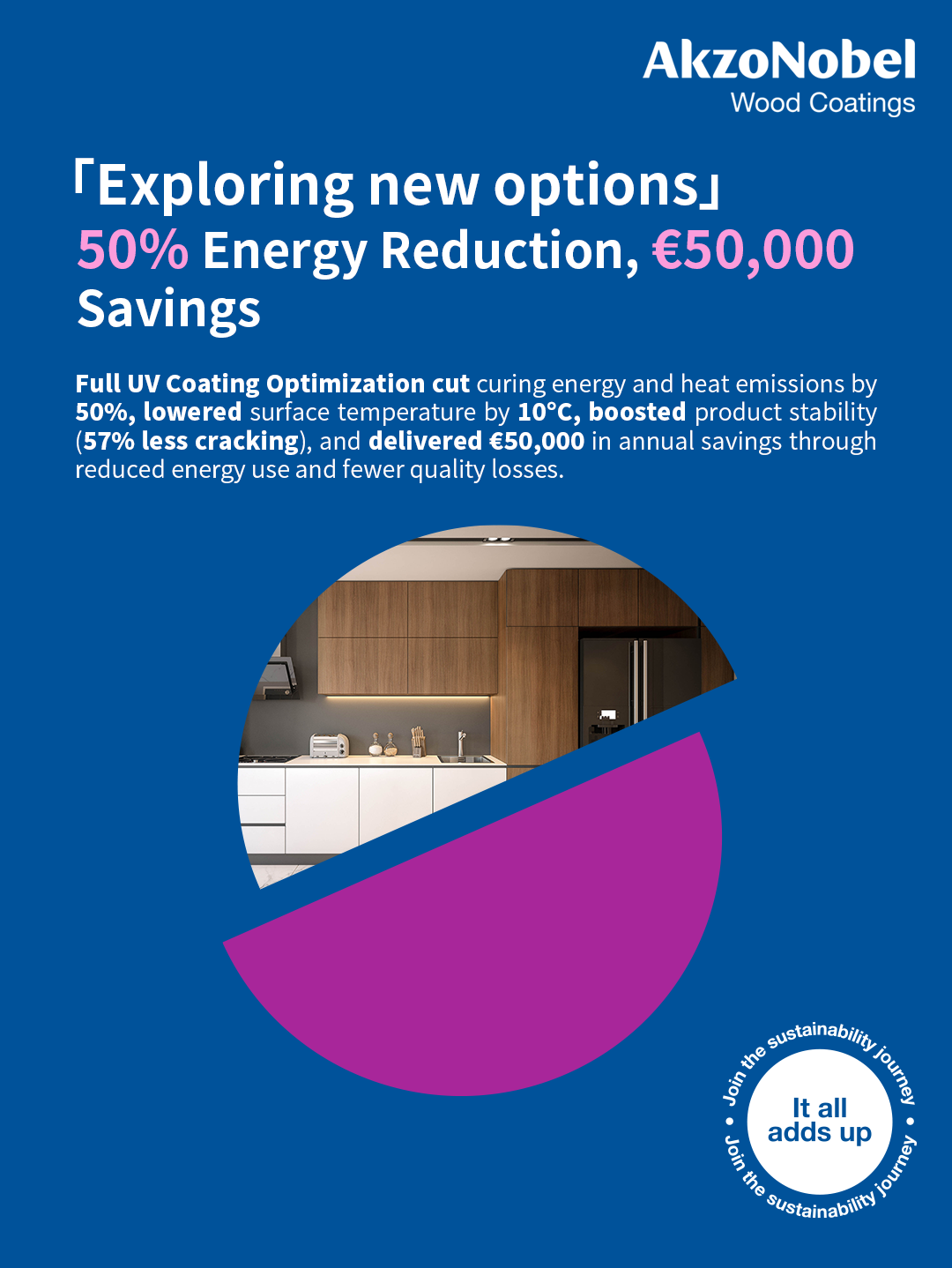
In one customer collaboration, optimisation of UV coatings resulted in a 50 per cent reduction in curing energy consumption, generating estimated annual savings of €50,000 ($58,728) and reducing surface temperature by 10°C during production. These achievements underline AkzoNobel’s commitment to developing smarter, greener technologies that deliver measurable benefits for both the environment and its partners’ operations.
“This project demonstrates how innovation can deliver real, measurable outcomes,” said Grégoire Mercie, regional commercial director of Wood Finishes Asia at AkzoNobel.
The third pillar, 'Sharing Responsibility' emphasises that sustainability is a shared effort that requires collaboration across the value chain. AkzoNobel actively supports customers with data-driven insights, transparent carbon assessments, and hands-on technical guidance to drive continuous improvement.
By collaborating with equipment manufacturers and customers, AkzoNobel helped transition to a 100 per cent Solids UV Coating System (Zero VOC), eliminating about 500 grams of VOC per litre of coating. The company also introduced its Carbon Footprint Calculator, enabling customers to make informed decisions – for instance, switching from solvent-borne to waterborne or UV coatings can help reduce carbon emissions by up to 61 per cent. These partnerships exemplify how shared responsibility can amplify the impact of sustainable transformation.
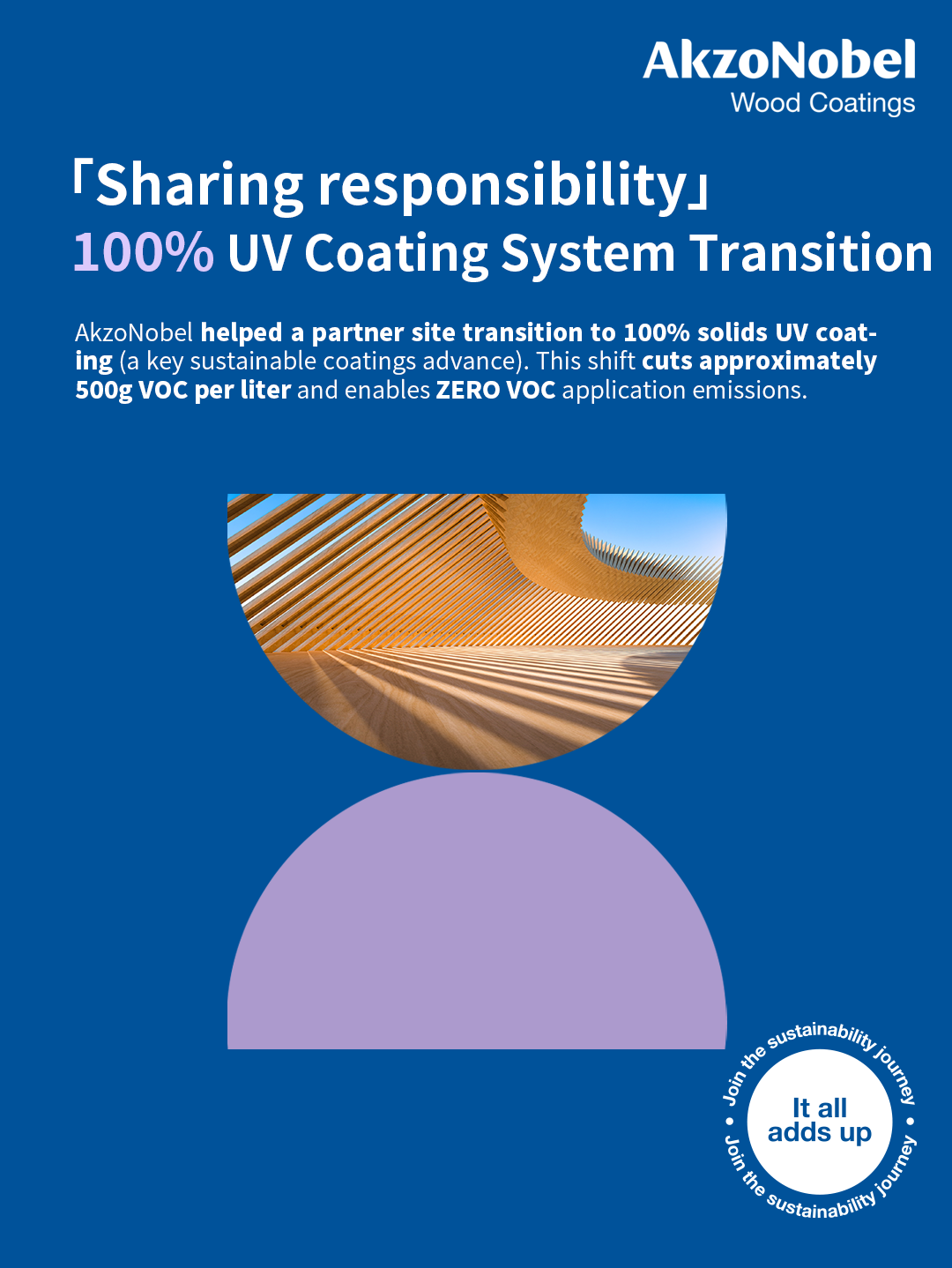
Through the 'It All Adds Up' campaign, AkzoNobel has shown that sustainability and operational excellence can advance hand in hand. Across South Asia-Pacific, each initiative – from factory improvements to product innovation and customer collaboration – contributes to a broader culture of continuous progress.
Tessa Slagter, Sustainable Innovation manager at AkzoNobel Wood Finishes, noted, "Sustainability is built through small, consistent actions that create a lasting impact. When people work together, even small efforts can lead to meaningful change."
Looking ahead, AkzoNobel remains committed to investing in research, technology, and innovation to support a low-carbon, circular future for the wood coatings industry. Believing that every action counts, the company continues to inspire manufacturers across the region to take small but meaningful steps – because when it comes to sustainability, it all truly adds up.
 AkzoNobel secures Vietnam’s first LEED Gold factory certification
AkzoNobel is setting a new benchmark for sustainable manufacturing in Vietnam’s paints and coatings industry, reaffirming its global commitment to green innovation and environmental responsibility.
 AkzoNobel: from painting walls to painting the future
From heat-reflective technology to paints that help improve indoor air quality, AkzoNobel demonstrates how even a thin coating can create a lasting impact.
 AkzoNobel showcases the future of sustainable façade architecture
AkzoNobel, a leading global paints and coatings manufacturer, took part in the ZAK World of Façades conference on November 26 in Ho Chi Minh City.