
INTERNATIONAL INVESTMENT
AND PORTAL
Vietnam’s growth ambitions hinge on sustaining 13–15 per cent annual credit growth during the 2026–2030 period and securing an upgrade to unlock lower funding costs and long-term capital, according to a new Maybank report.
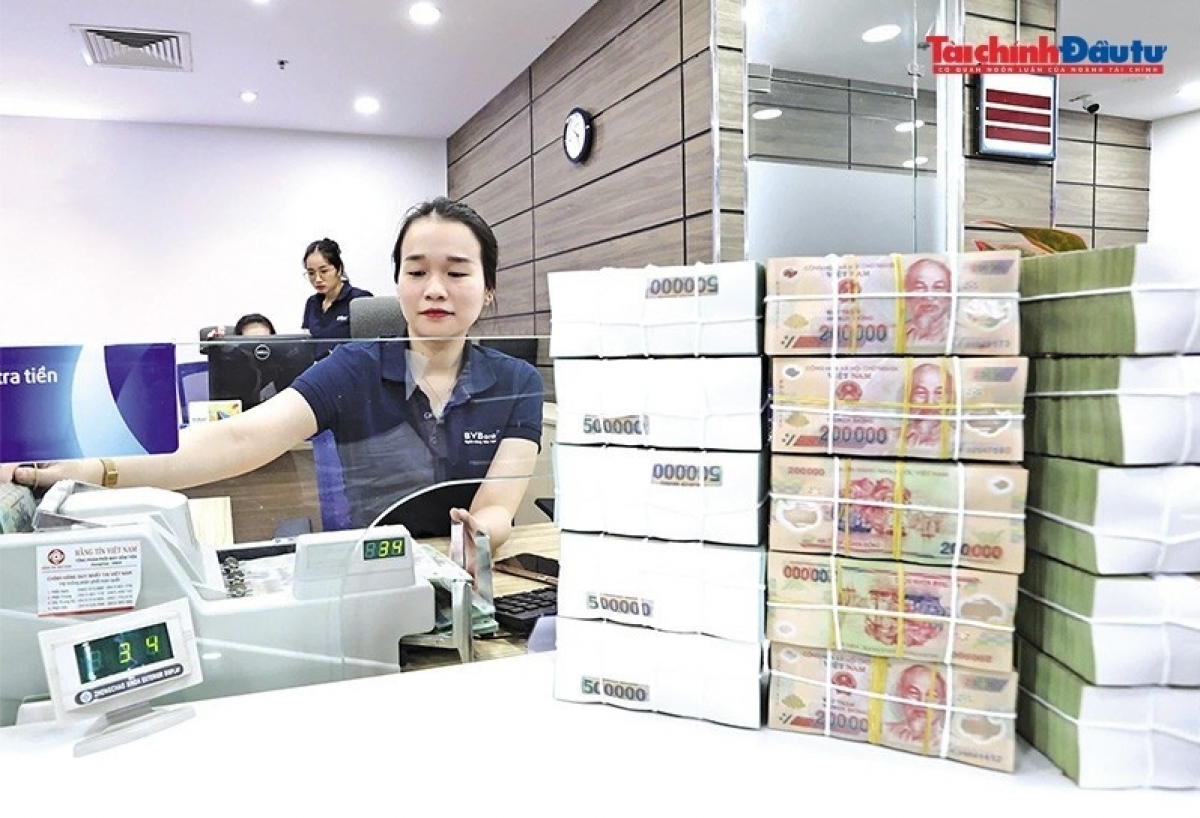
 Photo: Le Toan
According to the August 24 report, Vietnam's growth target is ambitious as Vietnam’s total investment grew only 8–10 per cent during 2011-2025, equal to 32–35 per cent of GDP, well below the government’s 40 per cent target by 2030.
The report points out that the private sector holds the largest share of Vietnamese investment at approximately 54 per cent, while manufacturing and transport collectively account for approximately 40 per cent of total shares.
Under both GDP growth scenarios – 8.5 per cent (transition) and 10 per cent (ambition) for 2026–2030 – investment must accelerate well beyond the 8.2 per cent annual average of 2020–2025.
For both GDP growth scenarios, the government has set specific investment targets by economic group: public, private, and foreign direct investment (FDI). For public investment and FDI, Vietnam has a strong chance of meeting its targets, given the still-modest size of government debt and FDI relative to GDP compared with peers.
Vietnam’s government debt-to-GDP ratio has undergone strong deleveraging since 2016, now standing at a comfortable 30 per cent against a 50 per cent cap rate.
Maybank said the public sector is also set to finance 85 per cent of national strategic infrastructure projects, which account for approximately 15–18 per cent of total investment during 2026–2030f.
For private investment, realisation will hinge partly on whether the banking system can deliver sufficient and efficient credit support, the report added.
Overall, to meet private investment targets, credit growth must average 13–15 per cent annually during 2026–2030, broadly in line with the 15 per cent pace of 2020–2025.
 AMRO upgrades Vietnam growth forecast to 7.5 per cent
The ASEAN+3 Macroeconomic Research Office (AMRO) has upgraded Vietnam's economic growth forecast for 2026 to 7.5 per cent.
 Economy needs 11.9 per cent growth in H2 to achieve 10 per cent GDP target for 2026
Vietnam's economy will need to grow by around 11.9 per cent in the second half of 2026 to achieve the government's 10 per cent GDP growth target for the full year. However, this is not simply a matter of accelerating growth. It also requires keeping inflation under control, maintaining macroeconomic stability, and improving the quality of growth.
 Vietnam’s reforms earn international recognition as government reviews July performance
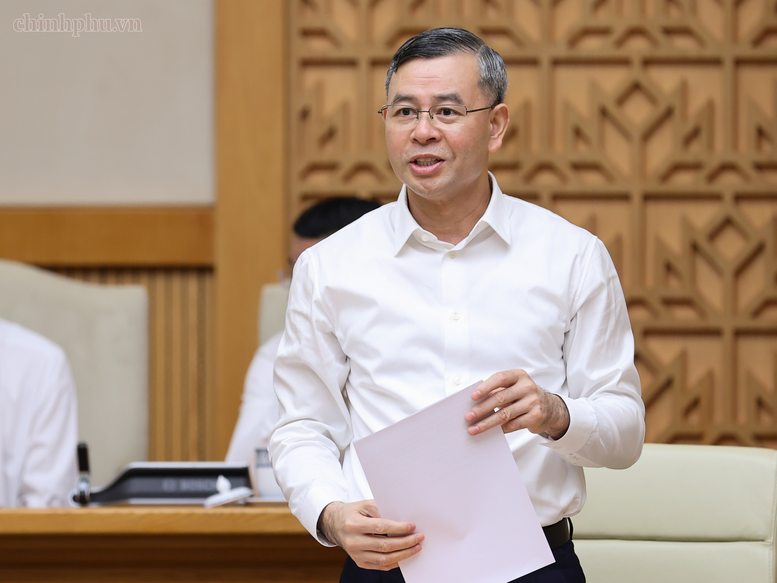
On August 3, at the government’s monthly meeting for July, Minister of Finance Ngo Van Tuan said many sectors had maintained positive growth since the beginning of the year.
By Thanh Van