
INTERNATIONAL INVESTMENT
AND PORTAL
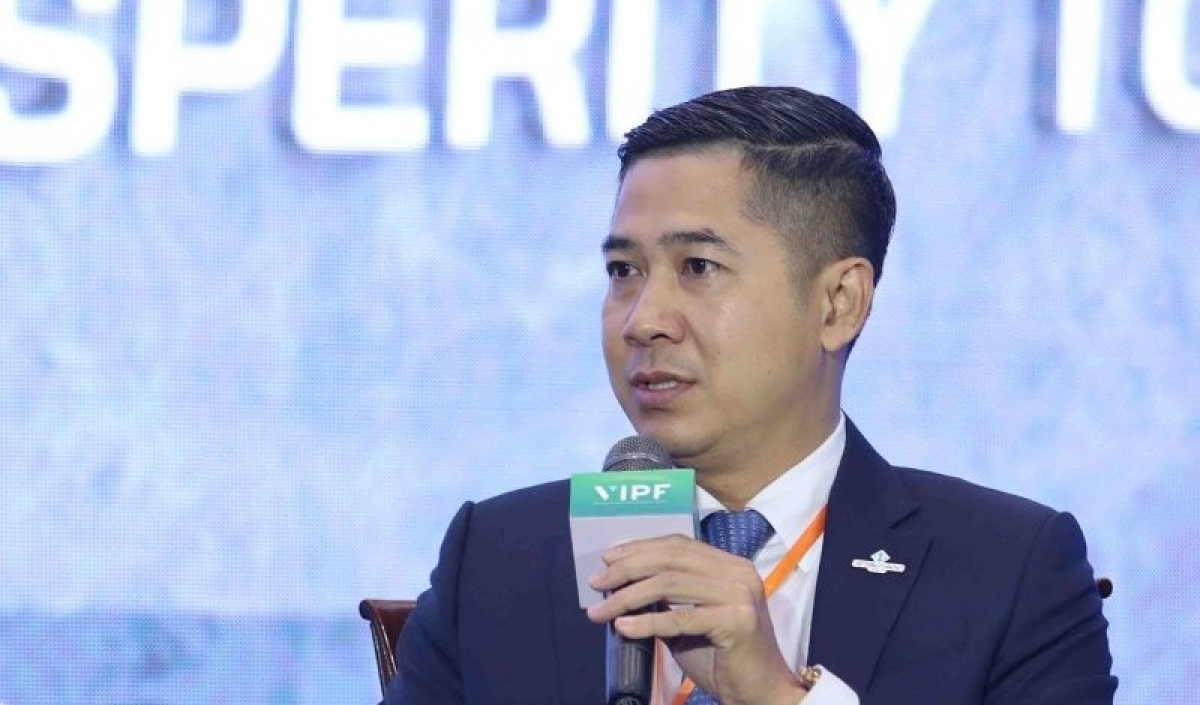
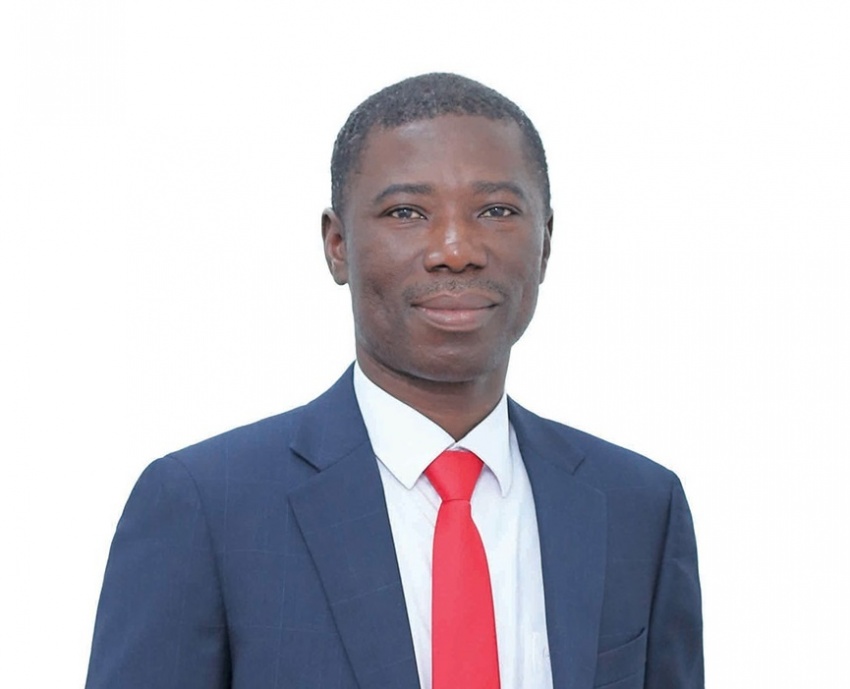 Dr. Samuel Buertey, Associate programme manager for Accounting RMIT University Vietnam
Today, AI-driven platforms are enabling auditors to analyse entire datasets rather than samples, spot anomalies that might signal fraud, and perform real-time continuous auditing. AI is also used in natural language processing to read contracts and legal documents, in computer vision to match receipts and invoices, and in predictive analytics to assess future risks.
In practice, this means less time spent on routine tasks and more time on high-level evaluation. For clients, it means faster, more detailed audits. For regulators and investors, it promises more reliable assurance.
The rapid surge in AI innovation has stoked concerns that machines may soon replace auditors. However, recent empirical research and industry surveys unveil a clear trend: AI is augmenting, not replacing, human auditors. A recent study by Law and Shen in the US found that audit offices integrating AI personnel increased their auditor headcount by approximately 4.3 per cent, particularly among junior and mid-level roles.
Much of what once defined entry-level audit work is now being redefined by AI automation. AI-powered tools can scan and extract information from thousands of invoices, contracts, or receipts within seconds – a task that previously demanded hours of human effort. PwC’s Halo platform, for example, enables auditors to analyse large volumes of company transactions rather than relying on samples, automating what was once a painstaking process.
Likewise, KPMG’s Clara platform integrates AI and workflow automation to handle reconciliations and documentation review, freeing auditors to focus on higher-level judgment calls.
Deloitte and EY have also invested heavily in AI-driven tools that automate confirmations, document reviews, and fraud detection.
This shift means that competencies once regarded as foundational are becoming less relevant. The implication is clear: to thrive alongside AI, auditors must complement traditional expertise with both advanced technical capabilities and soft skills.
On the technical side, data analytics and interpretation are now indispensable, as auditors need the ability to work with and make sense of large datasets. Equally important is a working knowledge of AI and machine learning – not to build models, but to understand how they operate, the assumptions they rely on, and their inherent limitations.
At the same time, soft skills remain indispensable. A high level of professional scepticism is essential to ensure that AI-generated findings are rigorously evaluated rather than accepted at face value, while communication and storytelling skills are needed to translate complex insights into clear, actionable messages for stakeholders.
Equally important is ethical judgment, which must guide the responsible application of technology. Stakeholders increasingly expect auditors to explain findings clearly, yet AI outputs are not always reliable, making ethical discernment crucial in determining how such results should be interpreted and used.
The disruptive impact of AI demands that universities and professional associations urgently prepare a new generation of auditors with competencies that go far beyond traditional accounting knowledge.
Curricula must be redesigned to reflect the realities of AI-enabled auditing, embedding data analytics, machine learning literacy, and digital assurance tools at the core of accounting and auditing programs rather than treating them as optional add-ons.
At the same time, programmes should cultivate higher-order abilities such as critical thinking, professional judgment, ethical reasoning, and scepticism, ensuring that auditors retain the human insight needed to interpret and challenge technologically driven audit outputs.
Recognising this shift, auditing firms are taking action to upskill their staff. PwC, for example, has redesigned its training for junior staff, requiring them to review and supervise AI output rather than relying solely on manual testing. This “back to basics” approach is now paired with AI literacy, ensuring that new hires not only understand the fundamentals of auditing, but also how AI integrates into the process.
Deloitte has gone further by establishing an AI Academy that provides targeted learning and upskilling programmes for their workforce, business managers, and senior leaders, ensuring that AI adoption is supported by both technical competence and strategic insight.
The tools auditors rely on today may look very different in just a few years, making static, one-off training insufficient. Continuous professional development is therefore essential to ensure auditors remain adaptable, technologically fluent, and capable of applying sound professional judgment in a rapidly evolving audit landscape. The era of AI in auditing is not replacing human talent but reshaping it. The auditors of tomorrow will thrive by harnessing tech while safeguarding trust and integrity.