
INTERNATIONAL INVESTMENT
AND PORTAL
At a conference to roll out the Vietnam Tourism Association’s 2026 action plan in January, Deputy Minister of Culture, Sports, and Tourism Ho An Phong emphasised that Vietnam’s tourism sector is not chasing rapid growth, but is steadfastly pursuing greener development.
 Vietnam’s tourism advances sustainability in 2026
“Vietnam has a diverse cultural foundation, a distinct identity, and rich tourism resources, with the tourism sector also being prioritised for public and social investment to support its development,” he said. “The tourism sector will continue to develop in a green and responsible manner in the period ahead, expanding in scale while enhancing quality, and making an effective contribution to economic development.”
In practice, sustainable tourism has become an essential requirement for the tourism sector amid climate change, resource depletion, and mounting pressure on the natural environment.
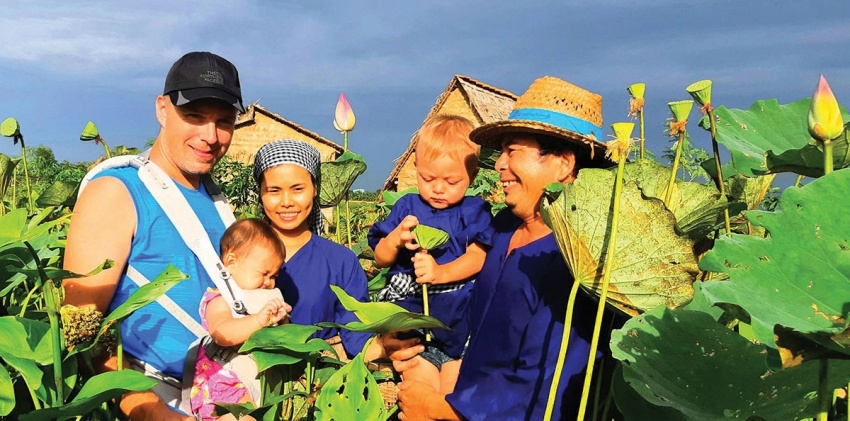
“Before modern concepts towards the nature, our ancestors lived by a very simple principle: living in harmony with nature; farming according to the seasons; adapting to the soil; healing by regulating blood circulation; and managing community life towards the rhythm of land, water, wind, and rain. Sustainable tourism or lifestyle is very similar and familiar in the country,” said Bobby Nguyen, CEO of Mekong Rustic Hospitality.
According to Nguyen, the answer for the concept of travel towards the nature, therefore, does not begin with luxury services or wellness experiences or healing programmes. ”Instead, we should learn how our ancestor acted for the nature and did a healthy lifestyle in the modern life,” he added.
At a meeting held at government headquarters in mid-January, Deputy Prime Minister Mai Van Chinh, head of the State Steering Committee on Tourism, reiterated the call for the sector to adopt a new approach, shifting from a recovery mindset to one focused on growth and competitiveness. These strategic directives aim to steer Vietnam’s tourism towards higher-quality growth and meaningful contributions to the country’s GDP growth target this year.
Alongside policy direction, market demand for sustainable tourism is also growing steadily. According to Agoda’s 2025 Sustainable Travel Survey, Vietnam ranks among the markets with the highest levels of interest in sustainable tourism, trailing only the Philippines (86 per cent), India (82 per cent), Taiwan (80 per cent), and Malaysia (80 per cent).
Notably, as many as 77 per cent of Vietnamese travellers say it is a top priority when planning their trips, well above the Asia-wide average of 68 per cent.
Vu Ngoc Lam, director of Agoda Vietnam, noted that Vietnamese travellers are increasingly prioritising eco-friendly options, from green accommodations to nature- and community-based activities, while seeking to minimise negative impacts on the environment. “Rather than simply seeking leisure holidays, many travellers are looking for more meaningful experiences that contribute to the preservation of nature and local cultures,” Lam noted.
Amid this rapidly expanding wave, Vietnamese tourism businesses are undergoing a strong transformation to adapt and seize new opportunities, many now integrating sustainability as a core pillar of their long-term development strategies.
Bui Thanh Tu, marketing director of BestPrice Travel, said the company is partnering with electric vehicle providers to offer greener transportation options for tourists, helping reduce greenhouse gas emissions and minimise environmental impact.
“This is a long-term approach to meeting the trend of responsible tourism, while creating differentiated value for tourism products,” Tu said.
In addition, many other businesses are focusing on developing eco-tours and nature-based tours at key destinations such as Halong Bay, Hue, Danang, Hoi An, and Ho Chi Minh City. These products not only focus on sightseeing and leisure but also incorporate activities that help travellers gain deeper insights into the environment, local culture, and community life.
Meanwhiles, hoteliers also share their eager to act and go green at their luxury properties. They create in an effort to come to a common understanding of sustainable tourism, and are the minimum that hotels and resorts (or other types of accommodations) should aspire to reach.
According to the Global Sustainable Tourism Council, the Hotel/Accommodation Standard is organised around four main themes: effective planning, maximising social and economic benefits for the local community, enhancing cultural heritage, and reducing negative impacts to the environment. Responding to the criteria, hoteliers in Vietnam, from both international and local brands, showcase their respects to the nature and climate change responses in various ways but clear, active and effective goals, the council said.
Shamila Rolfe, general manager Mövenpick Living West Hanoi
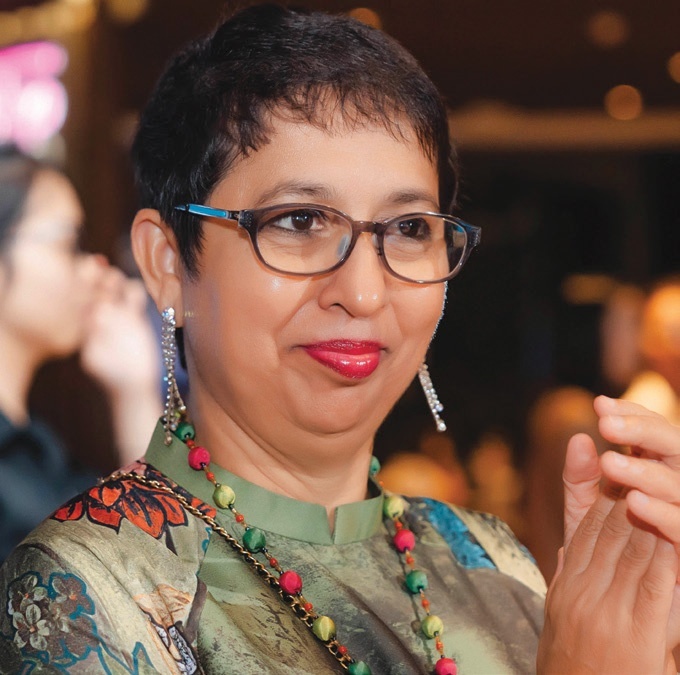
We are committed to best practices. This has become the norm for Mövenpick Living and we manage our hotel business around suitability. The hotel achieved the International standards HACC certification and also International Green Globe certification.
Last year, we engaged eco-friendly green cars. We provide this transport option to all guests in order to be part of the success story to keep our environment safe. Whilst we stay tuned in with Mövenpick brand compliance, we have many online tools that are brand-specific.
An example of our Green Globe initiative is the introduction of an e-book for annual green reporting. Accor has strong supporting tools called GAIA to assist all hotels to be in line with our Sustainable Charter.
Waste management programmes, recycling, and community events are all part of our hotel’s practices. The hotel has also invested in a water filtration system to enable safe drinking water.
Bui Duc Khiem, cluster general manager Fusion Original Saigon Centre, HIIVE by fusion Binh Duong, and HIIVE by fusion Binh Duong New City
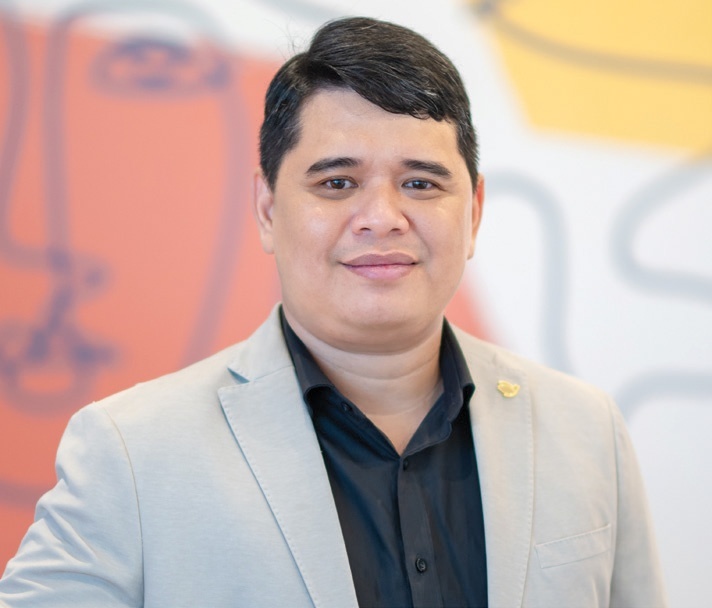
As part of Fusion Hotel Group, HIIVE in Binh Duong, inherits and continues the group’s core values, where every property is committed to core values of nature and wellbeing in both vision and daily operations.
Sustainability is the DNA of the hotel, shaping decisions from the early stages of project development through to how guests experience their stay. HIIVE was envisioned to offer more than a business trip, positioning its hotels as living spaces where work commitments and personal wellbeing can naturally come together.
All properties achieved EDGE certification from the construction stage, an internationally recognised green building standard. The hotels were developed to deliver up to 36 per cent energy savings, 43 per cent water savings, and a 34 per cent reduction in embodied energy in building materials.
This approach allows HIIVE to embed sustainability into every operational touchpoint and throughout the guest journey, including refillable drinking water systems, eco dry amenities in guest rooms, and a “no more plastic bottles” policy across restaurants and bars.
One distinctive initiative is HIIVE Green Living, an eco-friendly programme that invites guests to opt out of daily room cleaning, earn points redeemable for selected benefits, and actively contribute to reducing resource consumption. We believe real impact comes when guests participate by choice, turning sustainability into a shared journey rather than an internal operation.
Sven Albert Saebel, managing director, Royal Capital Group
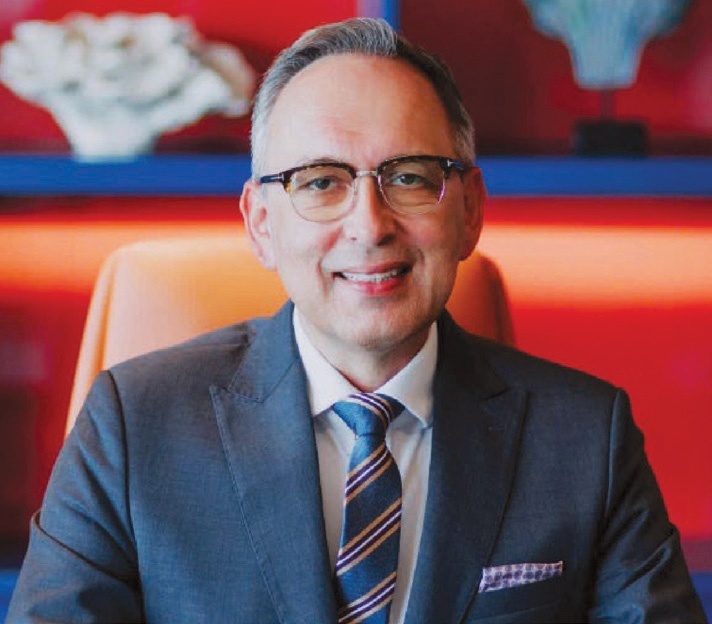
While the New Year period may not have fully met expectations, we remain optimistic about the overall outlook for tourism. Travel demand today is increasingly influenced by evolving consumer behaviour rather than traditional seasonal peaks alone.
We anticipate a gradual recovery driven by improved air connectivity, diversified source markets, and growing interest in experiential travel. Resorts that are adaptable, value-driven, and environmentally responsible will be better positioned to capture this demand in the coming months.
So at Royal Capital Group properties, sustainability is embedded in our long-term development strategy rather than treated as a short-term initiative.
We continuously prioritise community engagement, environmental protection, and responsible operations. Key activities include strengthening partnerships with local farmers, fishermen, and artisans, ensuring our supply chain supports the local economy while reducing transportation-related emissions. We also actively participate in beach clean-up programmes, marine conservation awareness, and environmental education initiatives for both associates and guests.
Equally important is our focus on people development – investing in local talent through training and career opportunities, which we see as a vital pillar of sustainable luxury. Digital transformation plays a crucial role in our journey: we have implemented energy-efficient systems, including smart lighting, optimised air-conditioning controls, and water-saving technologies across guest rooms and public areas.
Digital menus, online guest information platforms, and paperless internal processes further help reduce paper consumption and operational waste.
Daniel Jamal Muhor, general manager, Sheraton Phu Quoc
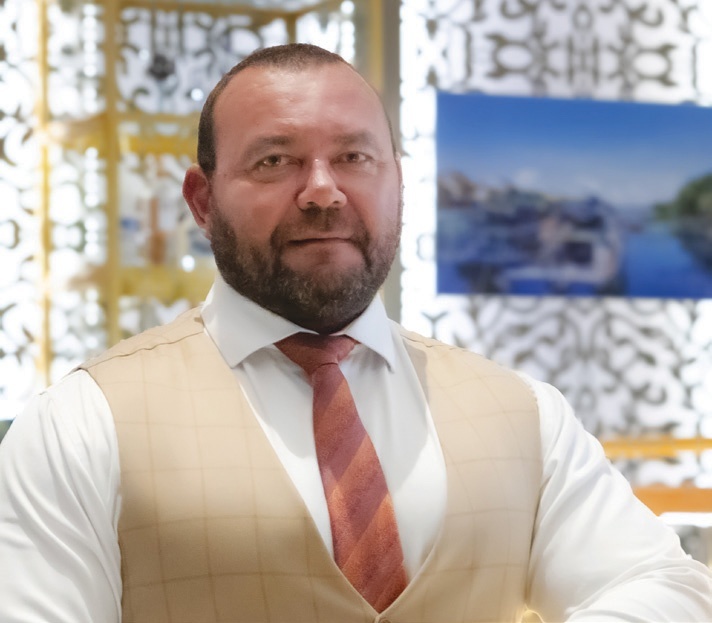
In contrast to concerns about low occupancy, the start of 2026 has been strong, and we expect this positive momentum to continue. We foresee growth leading up to the APEC Summit in 2027. Phu Quoc’s international profile continues to rise, supported by infrastructure development and destination visibility. Following its recognition by Condé Nast as a top beach destination in 2025, we anticipate more international demand and expansion of direct flight connectivity.
Additionally, Phu Quoc is well positioned to remain one of Vietnam’s leading destinations due to its diverse natural landscapes and extensive beachfront, a rapidly evolving culinary and lifestyle scene, a strong regional connectivity within Southeast Asia, ongoing development focused on infrastructure and responsible destination growth.
These factors collectively support Phu Quoc’s long-term appeal to both leisure and business travellers. Overall, the trajectory for tourism remains highly positive, and we are focused on ensuring operational readiness, service excellence, and sustainable growth to support this momentum.
At Sheraton Phu Quoc Long Beach Resort, sustainability is focused on tangible actions that deliver real environmental impact while maintaining guest comfort and brand standards. Digital transformation at our resort supports both sustainability goals and guest convenience while the Marriott Bonvoy App allows guests to communicate with our team at any time during their stay, improving service efficiency while reducing reliance on printed materials and telephone-based communication.
Piyoros Naronglith, general manager Renaissance Danang Hoi An Resort & Spa
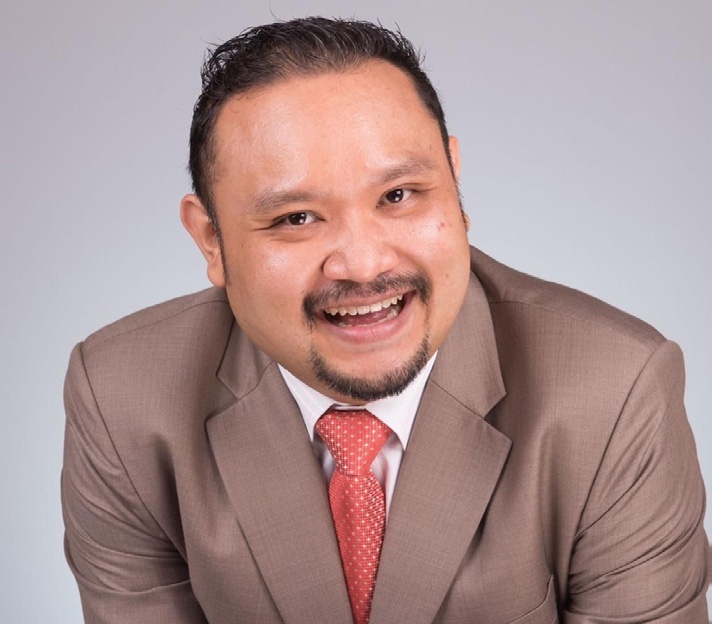
Vietnam continues to be a highly attractive destination, particularly locations that balance natural beauty with cultural depth. Hoi An remains a standout, celebrated for its heritage, craftsmanship, and growing focus on sustainable tourism and most recently recognised among the world’s best cities in 2025.
Set along the coastline near this historic town, Renaissance Danang Hoi An Resort & Spa reflects this evolution by offering guests a refined base from which to explore both the cultural heart of Hoi An and the surrounding natural landscapes.
Beyond Hoi An, coastal destinations with strong environmental awareness, emerging cultural hubs, and places investing in responsible, long-term development will continue to attract both domestic and international travellers seeking meaningful and well-rounded experiences.
A significant milestone for us was achieving the Green Key certification in December, which reflects our compliance with international standards in environmental management, energy efficiency, waste reduction and associate engagement.
Key priority actions for the year have focused on embedding sustainability into daily operations across the resort. We have taken concrete steps to eliminate single-use plastics by replacing plastic-wrapped amenities with refillable dispensers in guest rooms, introducing glass-bottled drinking water and removing plastic straws, stirrers and takeaway packaging across all dining outlets.
We have integrated smart building management systems to closely monitor and optimise energy consumption across guestrooms and public areas, including lighting, air conditioning and water usage, allowing us to significantly reduce waste without compromising guest comfort.
Digital solutions such as paperless operations, e-menus and mobile-based guest communication have helped us minimise paper use and streamline processes, saving both time and resources.
Manjit Ghosh, general manager, Six Senses Con Dao
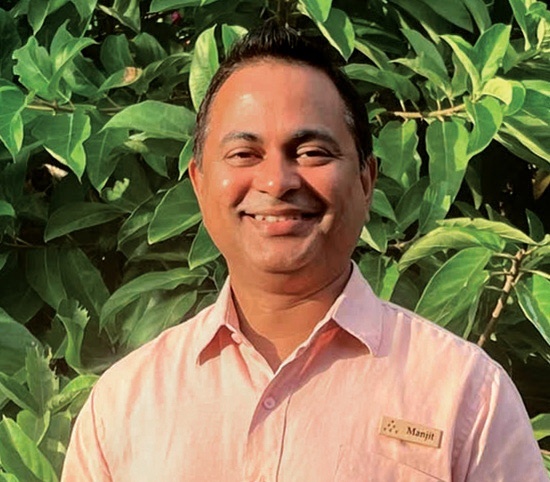
Conventional tourism may face headwinds, but high-value, experience-driven travel to unique sanctuaries like Con Dao is on a strong growth. Our current positive performance is the most relevant indicator. While some markets corrected, our record occupancy proves there is a vigorous demand for the destination and our specific offering. This gives us great confidence.
For the sector’s future, success will belong to hotels and resorts that can pivot from selling rooms to curating highly personalised journeys. We see a year of opportunity to lead this change by doubling down on our core promise of pristine nature and wellness, which has never been more valuable.
Regenerative travel will cease to be a trend and become the new benchmark for luxury itself. It will conquer the old benchmark by redefining value: the most exclusive experience is no longer the most wasteful, but the most contributive. It will be revealed in guest expectations, who will increasingly choose and pay a premium for brands that offer a net-positive footprint.
Sustainability isn’t a new initiative we switch on each year – it’s how we’ve always chosen to operate. Our focus is on a regenerative model, meaning we aim to leave places and communities better than we found them. Furthermore, our philosophy is zero waste to landfill, and I truly believe that this starts with avoiding unnecessary waste from the very beginning.
Steven Huy Nguyen, complex director of Sales & Marketing Danang Marriott Resort & Spa
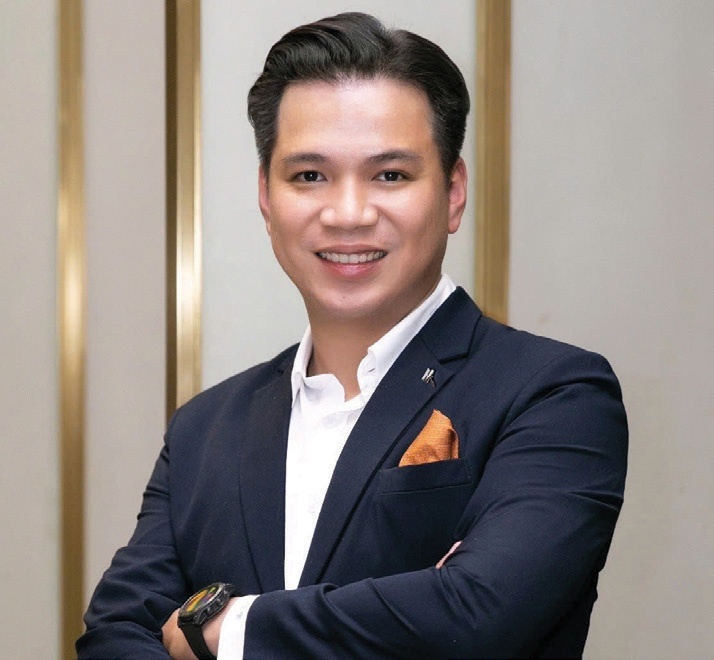
I believe wellness and sustainable travel will continue to grow in popularity in the coming years. Guests are no longer seeking just a place to stay, but a destination where they can experience, rejuvenate the body and mind, and reconnect with nature.
Set within a stunning landscape and embraced by our signature 1,114 coconut trees, Danang Marriott Resort & Spa stands at the forefront of this movement, offering guests the opportunity to truly reconnect with the natural world. At our resort, we take a holistic approach to operating and growing effectively. From front-of-house to back-of-house operations, we leverage technology to reduce our environmental impact.
For example, the resort uses the Winnow system in our kitchens, applying AI technology to analyse and significantly reduce food waste. Food waste is then transformed into natural compost or sent to trusted third parties for reuse and animal feed, creating a circular process. We uphold the highest standards of luxury service while providing guests with solutions that are not only eco-friendly but also enhance their stay.